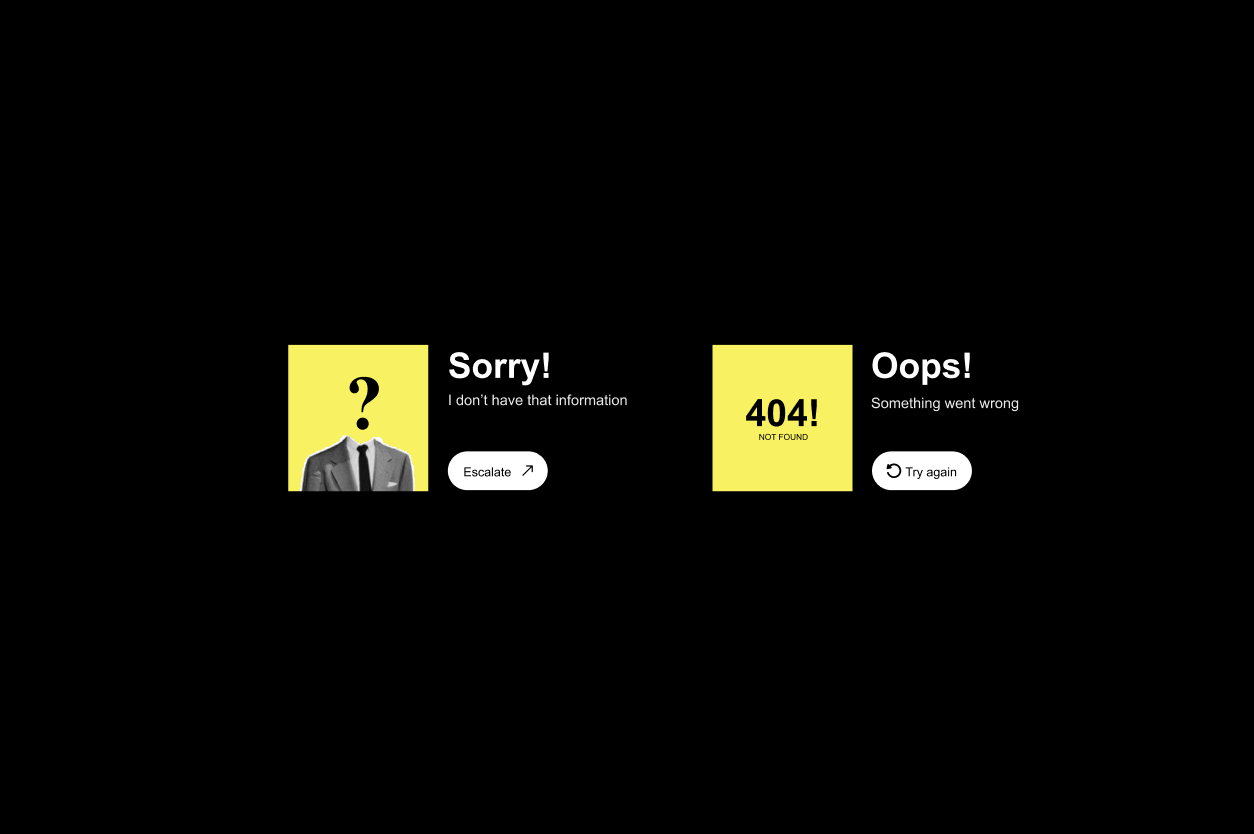
In terms of experience, do we expect the same from humans and machines, or do we hold one to a higher standard?
If a human can't answer a question, we label it as poor service. But when a machine gets it wrong, we shrug it off: "Oh well, it's just a glitch." This difference in how we judge mistakes matters, especially in the context of B2B onboarding.
The B2B onboarding journey is rarely straightforward. It is complex, involving multiple stakeholders from key decision makers to eventual end users. This journey is often lengthy, with the user teams typically joining the onboarding process last. We carefully design every aspect for the in-product user experiences to get users started. Yet, countless off-product moments: the discovery calls, demos, training sessions, follow-up emails, site visits, and so much more are neglected and overlooked! These interactions are just as memorable if not more. They are often the impression your brand makes, especially when clients are still deciding what value your product brings or whether you can truly solve their problem.
Imagine this: A prospective client joins the first call - they ask to see some examples of your past projects, and you respond with "you can check it out on our website." You might be missing the point; chances are, they've already seen it there. What they are really looking for at that moment is more than a web page or video … it's confidence. They want to know value.
It may feel repetitive to answer the same questions and have the same conversations over and over, but that is how trust is built by meeting people where they are and communicating with empathy and relevance. Instead of pointing to generic content, use that moment as an opportunity to ask the right questions, understand their context, and share tailored case studies, past projects or examples that address their specific concern.
Customers use different channels with different expectations. When clients explore your product on their own, they expect a self-serve experience: what the product is about, how to use it, FAQs, etc. But when they choose a call or meeting, they expect something else: speed, clarity and human guidance. Don't force the choice on your users; let them decide how they want to engage. Based on your industry and the unique mix of digital and off-product touchpoints in your customer journey, make sure each channel delivers the experience users expect from it.
At the end of the day, we're all human, and we judge human interactions more critically than machine ones. That's why we need to blend both digital and human touchpoints with care to create a consistent experience throughout the journey. This helps in creating a cohesive, trust-building journey that resonates no matter how or where your clients choose to interact.